
7 Small Security Improvements That Make a Big Difference
When you hear the words “improve security,” what comes to mind?
A big project? New technology? A bigger budget? Another item on an already-too-long to-do list?
Take a breath.
Improving security doesn’t have to mean changing everything at once. In fact, a great place to start is by looking at the simple things your organization does every day.
Here are seven manageable security improvements that can help you create a more secure, organized environment without making security feel like one more overwhelming project.
1. Make Employee IDs Easy to See
Start with one simple question: Can you quickly tell who belongs in your building?
Photo ID badges only help with identification when they're actually visible. If badges are regularly tucked into pockets, buried under jackets, or left at desks, it becomes harder for employees to quickly identify the people around them.
Take a look at your current badge program. Are IDs worn consistently? Are photos current? Are names easy to read?
Sometimes improving security isn't about adding something new. It's about getting more value from something you already have.
2. Clearly Identify Your Visitors
Employees aren't the only people walking through your doors.
Depending on your organization, you may regularly welcome parents, vendors, contractors, volunteers, delivery personnel, guests, or other visitors.
Creating a consistent way to identify visitors makes it easier for employees to distinguish between someone who works there and someone who is visiting.
Visitor identification can also remove uncertainty for the visitor. A defined process communicates, “You're in the right place, and here's what happens next.”
Secure AND welcoming? We like the sound of that.
3. Have a Plan for Lost Badges
“I lost my badge.”
It happens.
What's important is what happens next.
Employees should know who to contact when a credential goes missing and how to get a replacement. When a credential is also associated with building access, your process should address that situation as well.
Keep the procedure straightforward and communicate it to employees before someone loses a badge.
Future you will be glad you did.
4. Make Different Groups Easy to Recognize
Employees, visitors, contractors, volunteers, and temporary workers may all need identification, but that doesn't mean their credentials need to look identical.
Consider whether visual differences could help employees distinguish between groups.
Different colors, designs, or accessories can provide useful visual cues without making the identification program unnecessarily complicated.
At a glance, your team has more information about who they're interacting with.
Simple? Yes.
Useful? Absolutely.
5. Walk Your Building With Fresh Eyes
Grab a notebook and take a walk.
Look at your facility as though you've never been there before.
Are certain doors routinely propped open? Are staff-only areas obvious? Could a visitor easily figure out where to check in? Are there spaces that should be secured but aren't?
You don't necessarily need a new piece of technology to discover opportunities for improvement. You may simply need to look at your familiar environment from a different perspective.
Even better, periodically repeat the exercise. Buildings change. People change. Processes change.
Your security practices should keep up.
6. Make Security Part of the Culture
Security isn't the responsibility of just one person, and it doesn't live exclusively at the front desk.
Employees throughout the organization can contribute by being aware of their surroundings, following identification and visitor procedures, and knowing how to raise a concern.
The important part is making expectations clear.
Consider periodically including a simple security reminder in a staff meeting, newsletter, or internal email.
You don't need to make security scary to make it important.
7. Give Your Identification Program a Checkup
Finally, take a look at the identification program you already have.
Ask:
- Are employee photos current?
- Is employee information accurate?
- Are badges being worn consistently?
- Are visitor procedures still working?
- Do we have the supplies we need?
- Has our organization changed since we established these processes?
You may discover that your program doesn't need an overhaul at all. It may just need a tune-up.
Start With One
Here's the most important takeaway: You don't have to fix everything today.
Choose one improvement.
Maybe it's getting employees to wear their badges more consistently. Maybe it's introducing visitor badges. Maybe it's finally documenting what happens when someone loses their ID.
Start there.
Then choose the next improvement.
Security can feel daunting when you think about everything you could do. It becomes much more manageable when you focus on what you can do next.
And sometimes, one small change really can make a big difference.
Ready for a Security Checkup?
Use IDville's Simple Security Checklist to review your current identification and security practices and find your next simple step.
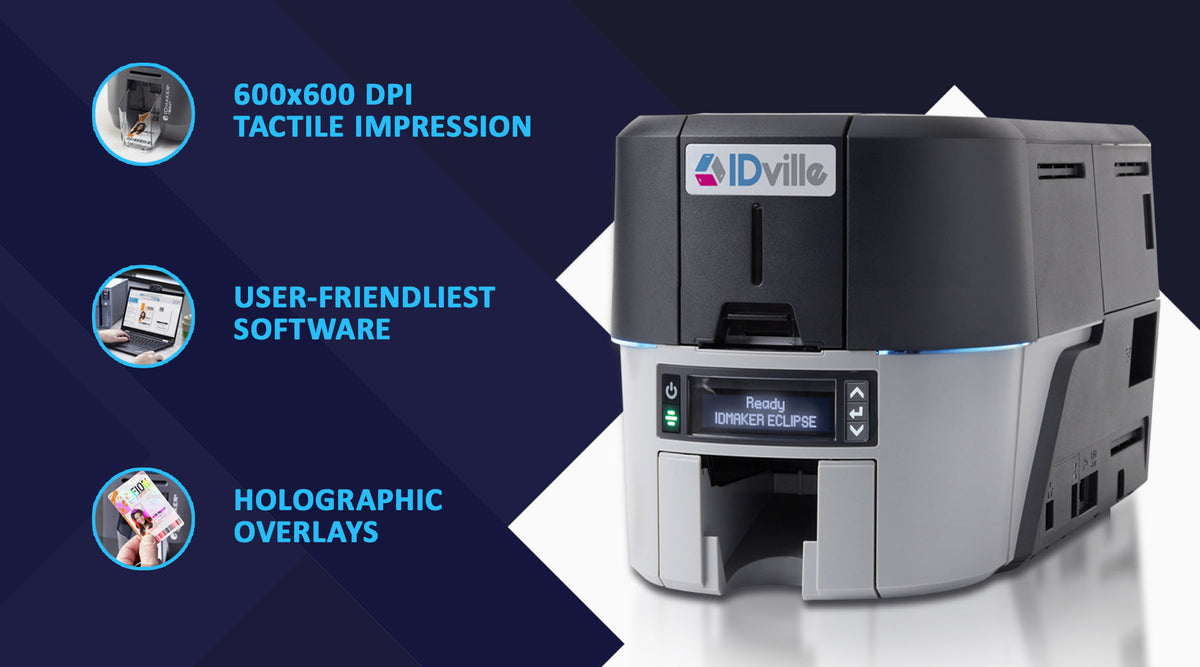
Already know your ID program needs a little attention? IDville can help you find an identification solution that fits your organization without making the process complicated.

Leave a comment
All comments are moderated before being published.
This site is protected by hCaptcha and the hCaptcha Privacy Policy and Terms of Service apply.