
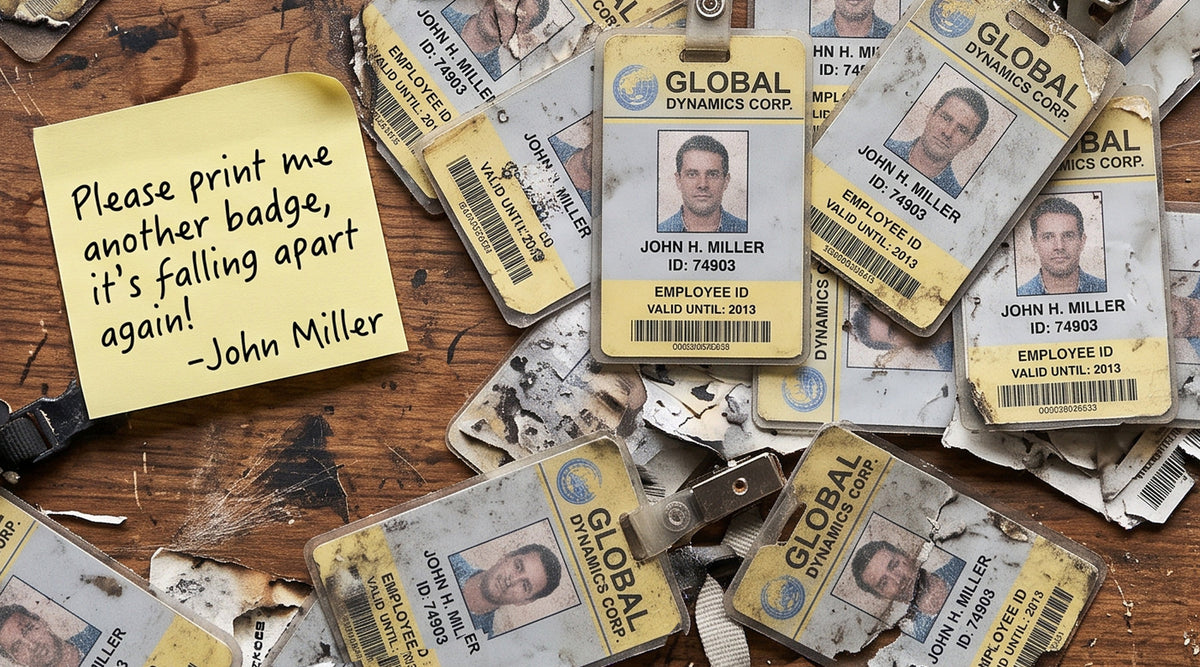
Most organizations don’t realize their ID program is outdated until it starts costing them. At first, everything seems fine. Badges print. Doors open. Employees move through their day. But over time, small inefficiencies stack up. Processes slow down. Security gaps appear. Costs quietly rise.
The truth?
An outdated ID program doesn’t just “work less well,” it actively costs your organization more than you think.
Let’s break down where those hidden costs come from and how modern ID systems eliminate them.
The Hidden Costs of Outdated ID Programs
1. Manual Processes Drain Time (and Productivity)
Older ID systems rely heavily on manual work:
- Re-entering employee data
- Printing one card at a time
- Fixing errors after printing
- Troubleshooting aging equipment
That means every new hire, visitor, or replacement badge takes longer than it should. Staff end up spending valuable time managing badges instead of doing their actual jobs. Over a year, those minutes turn into dozens—or even hundreds—of lost hours.
2. Cheap Badges Lead to Expensive Reprints
Outdated programs often use low-quality badge materials:
- Thin PVC cards
- No lamination or overlays
- Basic printers without durability features
The result? Badges that crack, fade, or stop scanning within months. Each replacement may seem inexpensive, but when you factor in:
- Staff time
- Materials
- Printer wear
- Workflow interruptions
…it becomes a recurring cost cycle.
Modern solution: Durable cards, lamination, and higher-quality printing can extend badge life significantly and reduce reprints.
3. Security Gaps Create Risk (and Liability)
Outdated ID programs don’t just cost money—they introduce risk.
Common vulnerabilities include:
- Outdated or inconsistent badge photos
- Lost badges that still work
- Lack of integration with access control systems
- Limited tracking or auditing
These gaps make it harder to control who has access to your facility and easier for problems to go unnoticed until it’s too late. In regulated industries, this can also lead to compliance issues and liability exposure.
4. Systems That Don’t Integrate Hold You Back
Many older ID programs operate in silos:
- No connection to HR systems
- No sync with access control
- No automation across workflows
That means duplicate work, inconsistent data, and missed opportunities to streamline operations. Modern ID systems, on the other hand, are built to integrate, connecting identity, security, and access into one cohesive ecosystem.
5. “Good Enough” Costs More Than You Realize
Here’s the biggest hidden cost of all: the illusion that your system is fine. Because outdated programs still “work,” they rarely get replaced. But behind the scenes, they:
- Slow productivity
- Increase long-term costs
- Limit scalability
- Block innovation
This is a common pattern with legacy systems; they quietly drain resources without showing up as a single line item.
What Modern ID Programs Do Differently
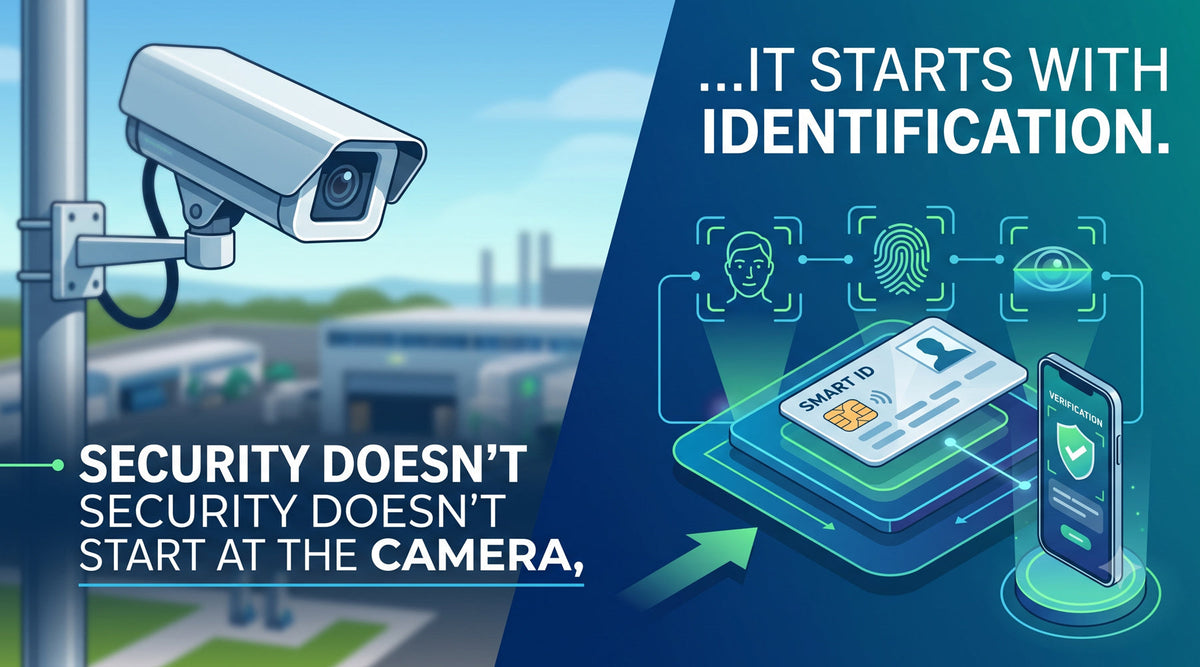
Upgrading your ID program isn’t just about new hardware; it’s about transforming how your organization operates.
Modern ID systems help you:
✅ Automate data imports and badge creation
✅ Batch print cards quickly and accurately
✅ Reduce errors with templates and previews
✅ Improve badge durability and lifespan
✅ Integrate with access control and security systems
✅ Strengthen compliance and visibility
✅ Batch print cards quickly and accurately
✅ Reduce errors with templates and previews
✅ Improve badge durability and lifespan
✅ Integrate with access control and security systems
✅ Strengthen compliance and visibility
The result?
Less manual work, fewer errors, stronger security, and lower long-term costs.
Less manual work, fewer errors, stronger security, and lower long-term costs.
Signs It’s Time to Upgrade Your ID Program
Not sure if your system is holding you back? Look for these red flags:
- Badge printing is slow or unreliable
- Cards wear out quickly
- Photos or data are inconsistent
- Systems don’t integrate with security tools
- Staff spend too much time managing IDs
If any of these sound familiar, your ID program may already be costing you more than it should.
The Bottom Line
Outdated ID programs don’t fail all at once, they fall behind gradually. And while they may seem “good enough,” the hidden costs add up fast:
- Lost time
- Repeated work
- Security risks
- Missed opportunities
Upgrading your ID program isn’t just an expense—it’s a strategic investment in efficiency, security, and scalability.
Ready to Modernize?
The good news? Fixing these issues is easier than you think. A modern ID system can help you:
- Save time across your team
- Reduce replacement costs
- Strengthen security
- Future-proof your operations
Start by evaluating your current program and identifying where it’s costing you more than it should. Then, give IDville a call!

Leave a comment
All comments are moderated before being published.
This site is protected by hCaptcha and the hCaptcha Privacy Policy and Terms of Service apply.